Specialty
Seismic Retrofit
Strengthening existing buildings against the seismic loads Southern California actually delivers — unreinforced masonry, non-ductile concrete, older steel, and the wood-frame soft-story stock that defines much of LA's multi-family inventory.
What we do
Seismic retrofit is structural engineering, inverse. Instead of designing a new building to a code target, we are measuring an existing one against that target and designing the smallest set of interventions that will close the gap. That inversion rewards experience. The list of plausible retrofit strategies for a Los Angeles building is shorter than the list for a new one, and it is very specific to the building's era and construction type.
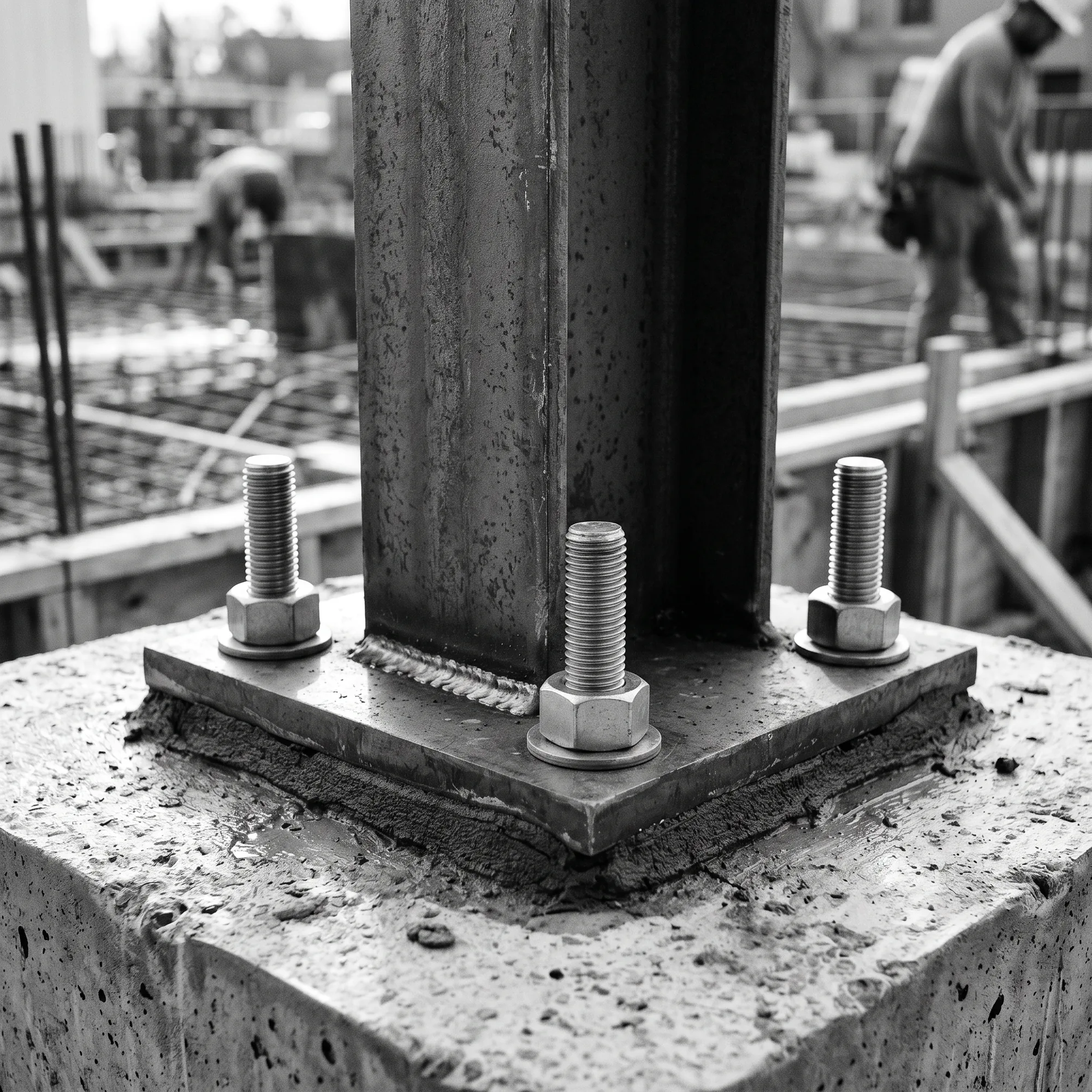
We work across the retrofit spectrum. Unreinforced masonry (URM) buildings — typically pre-1933 brick — get wall-to-diaphragm ties, supplemental diaphragms, and in some cases new reinforced shotcrete walls or steel frames. Non-ductile concrete buildings — common in LA from the 1950s through the 1970s — get evaluated under ASCE 41 and strengthened with concrete shear walls, FRP wrap, or steel bracing. Older wood-frame buildings get reframed crawl spaces, new cripple-wall plywood, and anchor-bolt retrofits.
Every retrofit project is also a tenant-occupied project. We work with the owner and the contractor to phase the work in ways that minimize displacement — one stair at a time, one shearwall at a time, nights and weekends where the use case demands. On the documentation side we write drawings that a retrofit contractor can price — not a set of abstract academic sketches.
Typical scope
- Unreinforced masonry (URM) retrofit — wall ties, diaphragm upgrades, new lateral systems
- Non-ductile concrete retrofit — supplemental shearwalls, FRP, steel bracing
- Older wood-frame cripple-wall and anchor-bolt retrofit
- ASCE 41 evaluation as the basis of design
- Phasing plans that keep tenants in place where possible
- Coordination with architect and MEP where the retrofit changes the plan
- Construction documents suitable for competitive bid
- Field observation and final sign-off with the jurisdiction
When to engage us
If you've just bought an older LA building and need to understand what it will take to bring it to current expectations — or if a change-of-use or major remodel is triggering retrofit requirements — call us before design starts.
Related services